In today’s highly competitive digital landscape, the greatest advantage a brand can have is understanding its customers—and even better, anticipating their needs before they express them. This is exactly where Predictive Customer Analytics comes into play.
Relying solely on past behavior is no longer enough. When brands gain the ability to anticipate future actions, marketing strategies become smarter, sales forecasts more accurate, and campaign performance significantly stronger.
In this blog, we explore how Predictive Customer Analytics works, the benefits it offers, and why it has become an essential part of modern marketing.
📌 What Is Predictive Customer Analytics?
Predictive Customer Analytics is the practice of using historical data, statistical modeling, and machine learning to forecast how customers will behave in the future.
It can predict:
- Purchase likelihood
- Churn probability
- Next actions and touchpoints
- Product or category interests
- Channel preferences
In simple terms: It turns data into a roadmap for the future.
📌 How Predictive Customer Analytics Works
This approach brings together multiple data layers and analytical methods:
1. Behavioral Data Analysis
Which products did the customer view?
Which campaigns did they engage with?
What actions did they take previously?
These insights form the foundation.
2. Segmentation & Pattern Detection
Customers with similar behaviors are grouped.
Machine learning identifies patterns within these segments.
3. Predictive Modeling
Regression models, decision trees, clustering, and time series analysis help forecast future behavior with high accuracy.
4. Actionable Execution
The predictions are then used to optimize campaigns, send personalized communication, trigger recommendations, and create automated workflows.
📌 5 Key Benefits for Businesses
✔
1. More Accurate Targeting
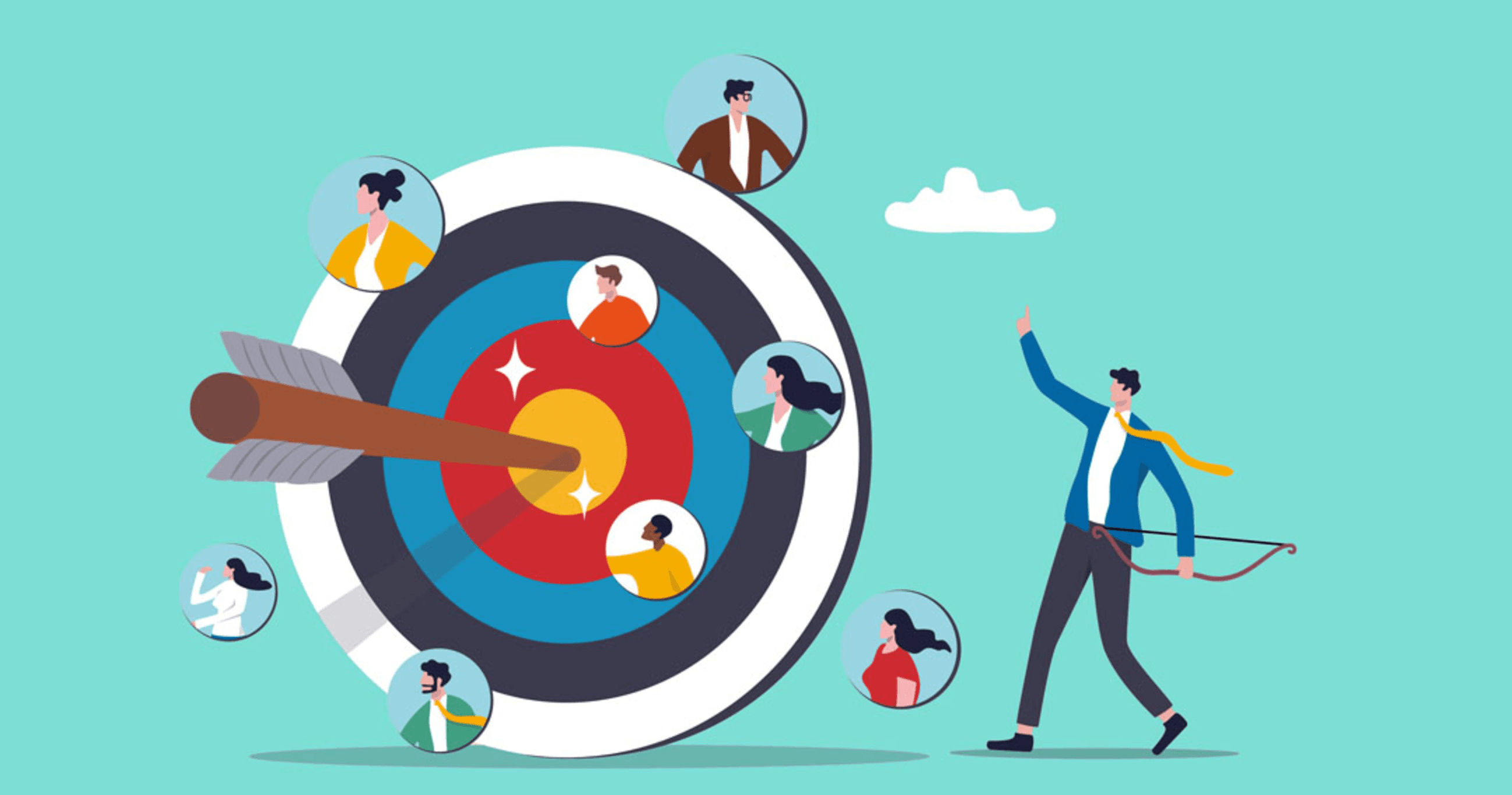
Predictive models identify which customers are most likely to convert.
Marketing budgets are used more efficiently, raising ROI substantially.
✔
2. Early Detection of Churn
When a customer is at risk of leaving, the system alerts you.
Brands can respond with retention campaigns, personalized offers, or re-engagement messages.
✔
3. Stronger Product & Campaign Recommendations
Predictive analytics determines which products a customer is likely to buy next—boosting conversion rates and cart value.
✔
4. Smarter Budget Allocation
Instead of broad, expensive campaigns, brands invest in audiences with high purchase potential.
This reduces waste and improves efficiency.
✔
5. Better Customer Experience
Reaching customers at the right moment with the right message increases satisfaction and strengthens loyalty.
📌 Who Should Use Predictive Customer Analytics?
Any business with customer data can benefit, including:
- E-commerce platforms
- SaaS companies
- Banking & finance institutions
- Retail chains
- Subscription-based apps
- Hospitality & restaurants
- Mobile apps
Regardless of industry, predictive insights help brands grow faster and retain customers more effectively.
📌 The Future of Marketing Is Predictive
Predictive Customer Analytics empowers brands not just to interpret data—but to shape their future with it.
If your goal is to make smarter decisions, personalize customer journeys, and increase conversions, predictive capabilities are no longer optional. They’re essential.
Using your data wisely is the most powerful way to understand customers and stay ahead of the competition.