As customer journeys become more complex, brands are no longer competing on products alone—they compete on experience. Consumers interact with brands through websites, emails, mobile apps, social media, ads, SMS, and more. Managing these touchpoints manually is no longer sustainable. This is where multi-channel marketing automation becomes a critical growth driver.
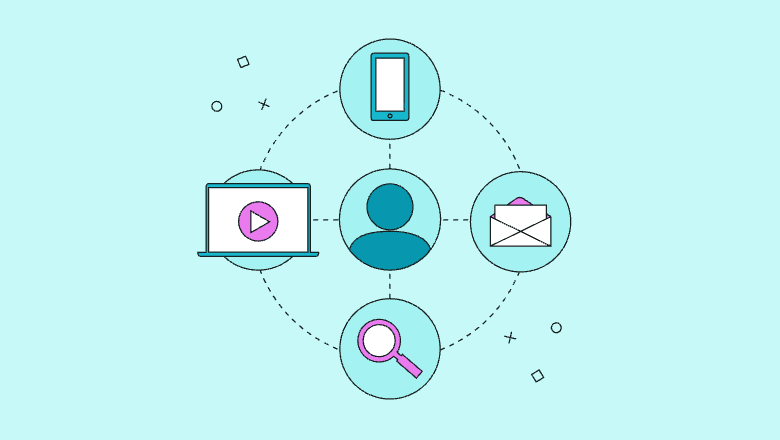
Multi-channel marketing automation allows brands to orchestrate consistent, personalized, and timely communication across multiple channels—at scale. Instead of managing each channel separately, automation connects them into a single, intelligent system that adapts to user behavior in real time.
What Is Multi-Channel Marketing Automation?
Multi-channel marketing automation refers to the use of technology to automate marketing actions across multiple communication channels while maintaining a unified strategy and consistent messaging.
Rather than sending isolated campaigns, brands can:
- Trigger messages based on user behavior
- Coordinate communication across channels
- Personalize content dynamically
- Measure performance holistically
For example, a customer who visits a product page might later receive an email reminder, see a relevant ad on social media, and receive a personalized push notification—without any manual intervention.
Why Multi-Channel Automation Matters Today
1. Customers Expect Continuity
Modern users expect brands to “remember” them across channels. When messaging feels disconnected, trust erodes. Automation ensures continuity and relevance at every step.
2. Manual Processes Don’t Scale
As audiences grow, manual campaign execution becomes inefficient and error-prone. Automation enables teams to scale engagement without increasing operational complexity.
3. Speed Is a Competitive Advantage
Responding to customer actions in real time—such as browsing behavior or cart abandonment—can significantly impact conversion rates. Automation makes real-time response possible.
Key Benefits of Multi-Channel Marketing Automation
Consistent Brand Experience
Automation ensures that messaging, timing, and tone stay aligned across all channels.
Higher Engagement & Conversions
Relevant, behavior-based communication leads to higher open rates, click-throughs, and conversions.
Smarter Use of Data
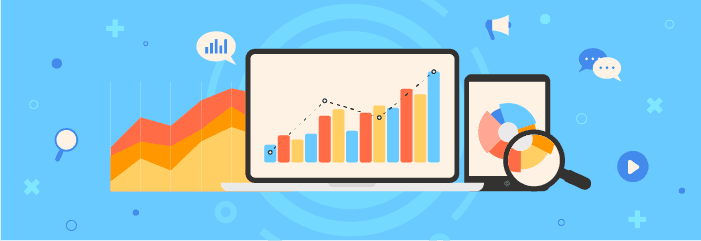
By centralizing customer data, brands gain deeper insights into user behavior and campaign performance.
Improved Marketing Efficiency
Teams spend less time on repetitive tasks and more time on strategy, optimization, and creativity.
Core Components of an Effective Multi-Channel Automation Strategy
Centralized Customer Data
Automation is only as strong as the data behind it. A unified customer profile enables accurate targeting and personalization.
Behavioral Triggers
Actions such as page views, clicks, inactivity, or purchases should automatically trigger relevant responses across channels.
Smart Segmentation
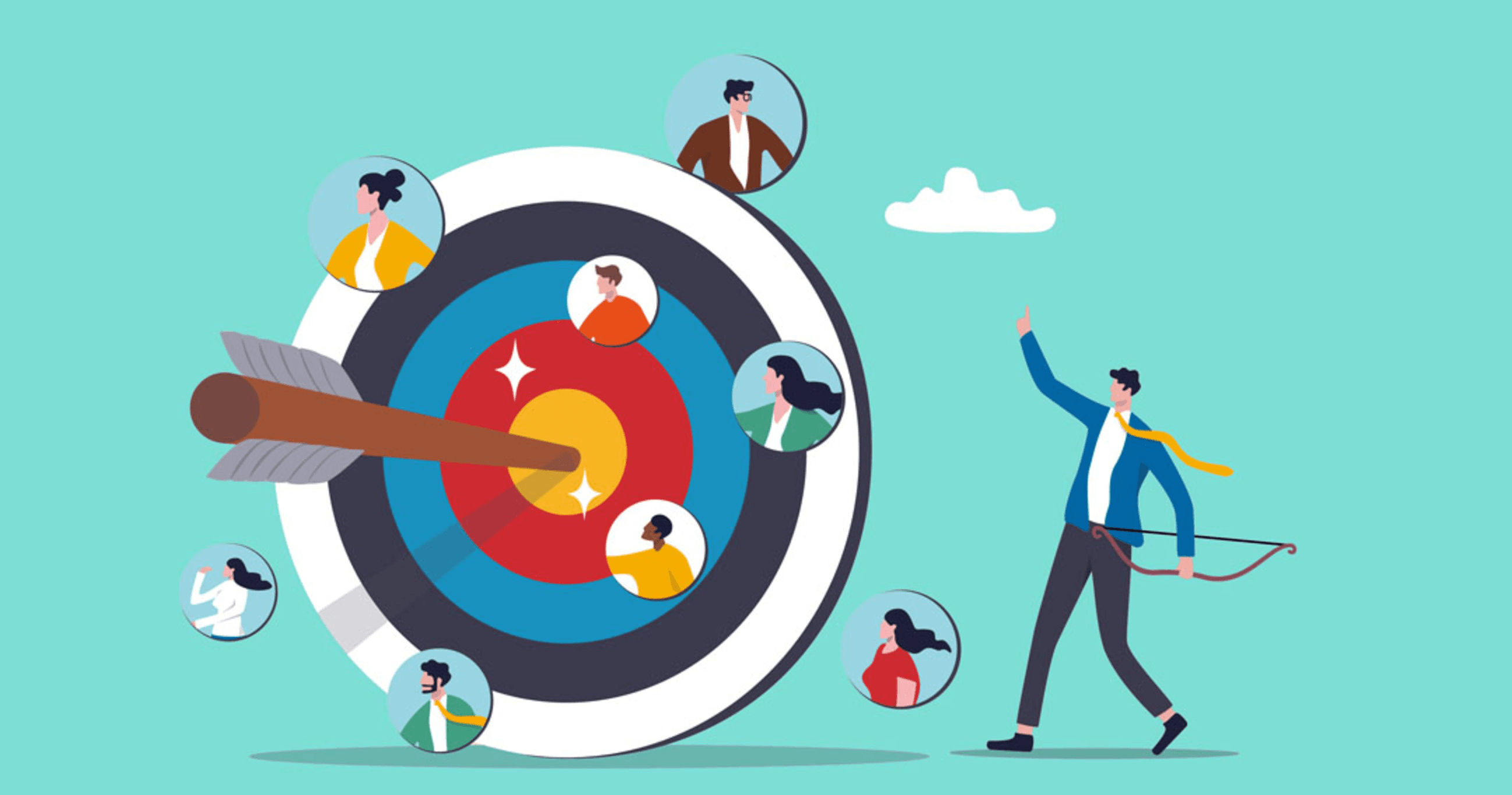
Segment audiences based on behavior, lifecycle stage, preferences, or engagement level to deliver meaningful experiences.
Channel Orchestration
Email, SMS, push notifications, ads, and in-app messages should work together—not compete with each other.
Performance Measurement
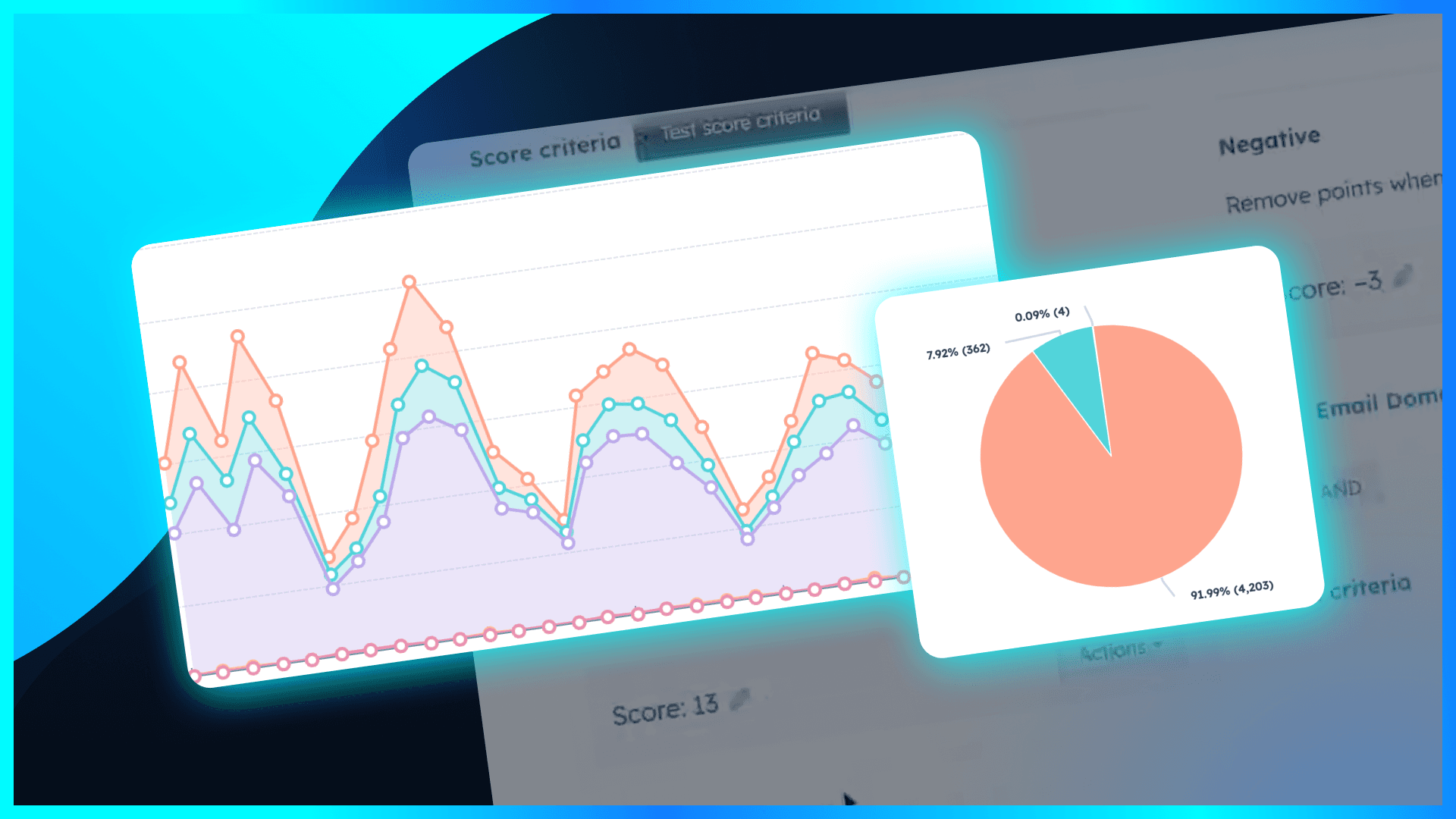
Track how each channel contributes to engagement and conversions to continuously optimize campaigns.
Multi-Channel vs. Omnichannel Automation
While often used interchangeably, there is a distinction:
- Multi-channel automation focuses on activating multiple channels in parallel.
- Omnichannel automation fully integrates those channels into one seamless, customer-centric journey.
Multi-channel automation is often the foundation that enables brands to evolve into true omnichannel experiences.
Common Mistakes to Avoid
- Treating channels independently
- Over-communicating without relevance
- Relying on static campaigns instead of triggers
- Ignoring cross-channel performance insights
Successful automation prioritizes relevance over volume.
The Future of Multi-Channel Marketing Automation
As AI, predictive analytics, and real-time decision engines advance, automation will become even more adaptive. Brands that invest early in multi-channel automation gain a long-term advantage by building scalable, data-driven engagement systems.
Multi-channel marketing automation is no longer optional—it’s essential for brands that want to grow sustainably in a fragmented digital landscape. By connecting channels, leveraging data, and automating intelligently, brands can deliver experiences that feel timely, personal, and consistent.
When executed well, automation doesn’t replace human strategy—it amplifies it.