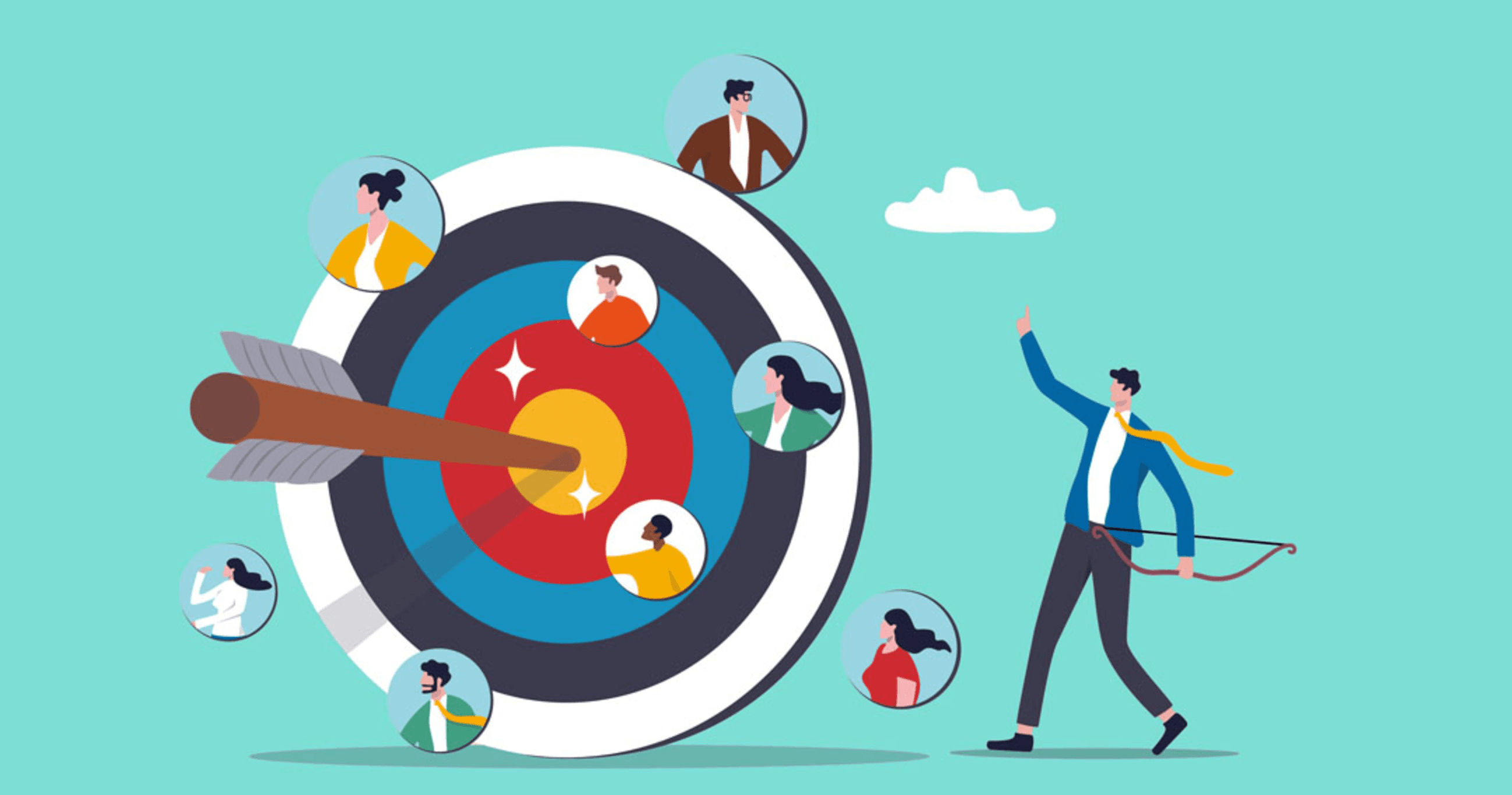

As customer expectations rise and digital touchpoints multiply, traditional audience segmentation methods are no longer enough. Static demographics and basic rule-based segments fail to capture how people actually behave. This is where AI-driven segmentation changes the game.
By leveraging artificial intelligence and real-time behavioral data, brands can move beyond generic groups and create dynamic, highly accurate audience segments that evolve with each interaction. The result? More relevant messaging, stronger engagement, and measurable growth.
What Is AI-Driven Segmentation?
AI-driven segmentation uses machine learning algorithms to automatically group users based on patterns found in large volumes of data. Instead of relying solely on predefined rules (such as age, location, or purchase history), AI analyzes:
- Browsing behavior
- Engagement frequency
- Purchase intent signals
- Channel preferences
- Timing and context of interactions
These insights allow segments to update continuously as customer behavior changes—without manual intervention.
In short, AI-driven segmentation transforms raw data into actionable intelligence.
Why Traditional Segmentation Falls Short
Conventional segmentation methods often struggle with today’s complexity:
- Static segments become outdated quickly
- Manual rules are time-consuming and error-prone
- Limited data usage ignores behavioral signals
- One-size-fits-all messaging reduces relevance
As customer journeys become more fragmented across channels, these limitations directly impact performance.
AI-driven segmentation solves these challenges by learning from data in real time and adapting automatically.
Key Benefits of AI-Driven Segmentation
1. Deeper Customer Understanding
AI uncovers hidden behavioral patterns that humans may overlook, revealing what truly motivates different audience groups.
2. Real-Time Personalization
Segments update instantly based on user actions, enabling timely and context-aware communication.
3. Higher Engagement and Conversion Rates
When messages align with real intent, customers are more likely to engage, convert, and return.
4. Scalable Growth
AI-driven segmentation works just as effectively for thousands or millions of users—without increasing operational complexity.
How AI-Driven Segmentation Works in Practice
A typical AI-driven segmentation flow includes:
- Data Collection
- Behavioral, transactional, and interaction data is gathered from all touchpoints.
- Pattern Recognition
- Machine learning models analyze similarities, trends, and anomalies.
- Dynamic Grouping
- Users are clustered into segments based on predicted behavior and intent.
- Activation Across Channels
- Segments are used to trigger personalized campaigns across email, SMS, push, in-app, and ads.
- Continuous Learning
- As new data flows in, the AI refines segments automatically.
Use Cases That Deliver Real Impact
- Predictive churn prevention
- High-intent lead identification
- Personalized onboarding journeys
- Cross-channel engagement optimization
- Lifecycle-based messaging
These use cases help brands shift from reactive marketing to proactive engagement.
Why AI-Driven Segmentation Is the Future of Marketing
As data volumes grow and customer behavior becomes more complex, manual segmentation simply cannot keep up. AI-driven segmentation enables brands to:
- Respond faster
- Personalize smarter
- Optimize continuously
- Scale without friction
Brands that adopt AI-driven segmentation today are not just improving campaigns—they are building long-term competitive advantage.
AI-driven segmentation is no longer a luxury—it’s a necessity for brands that want to stay relevant in a data-driven world. By turning behavioral insights into adaptive audience groups, businesses can deliver more meaningful experiences and drive sustainable growth.
If your segmentation strategy still relies on static rules, you’re only seeing part of the picture. AI helps you see the whole story—and act on it.